SCIENTIFIC VASTU FOR NORTH FACING HOUSE | An Architect Explains
The direction of the main door of the house is an important consideration for people who follow Vastu Shastra rules.
Read More
Information on Architecture, Interiors and House Construction In India

The direction of the main door of the house is an important consideration for people who follow Vastu Shastra rules.

For people who follow Vastu Shastra rules, South facing houses or sites are shunned upon and are often rejected because they have earned a bad reputation. However this is just a wrong misconception propagated by the so-called “vastu pundits” to make you spend money for solutions and corrections as suggested by them. In reality, a South facing house/site can be very auspicious provided certain Vastu principles are applied correctly. For more information read on….

For people who follow Vastu Shastra rules, East facing houses are considered good. However, it does not necessarily mean that every East facing property is auspicious. The exact placement of the entrance door dictates whether an East facing house is auspicious or inauspicious. To know more, read on….
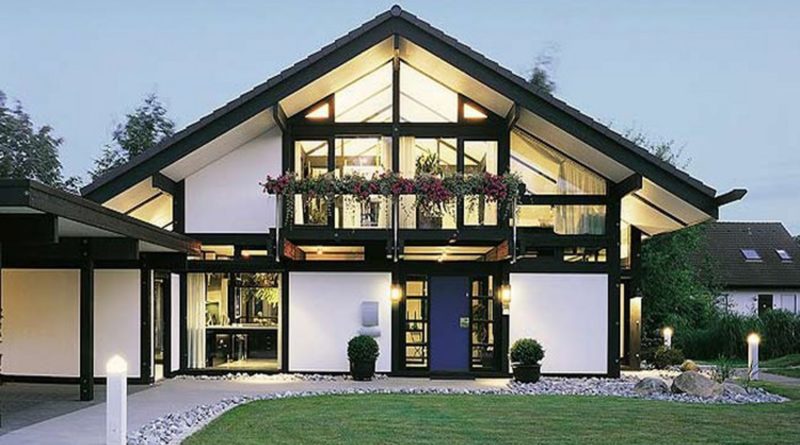
This site, architectureideas.info is for the people constructing buildings/houses and those interested in architecture like budding architects and civil engineers as it touches on the different aspects of Architecture, Interior Design, Vastu Shastra and Construction in a very simple and easy-to-understand language. The posts are in a question-and-answer format and most of the commonly asked doubts have been clarified.

For people who follow Vastu Shastra rules, West facing houses are the third choice; first and second choices being North Facing and East Facing houses respectively. The reason that a West facing home has become the third choice for many people is the ‘wrong’ belief that West facing houses are bad as per ‘Vastu Shastra”. However, this is not true and a West facing home can be as auspicious as a North or East Facing one, provided one follows certain Vastu rules….
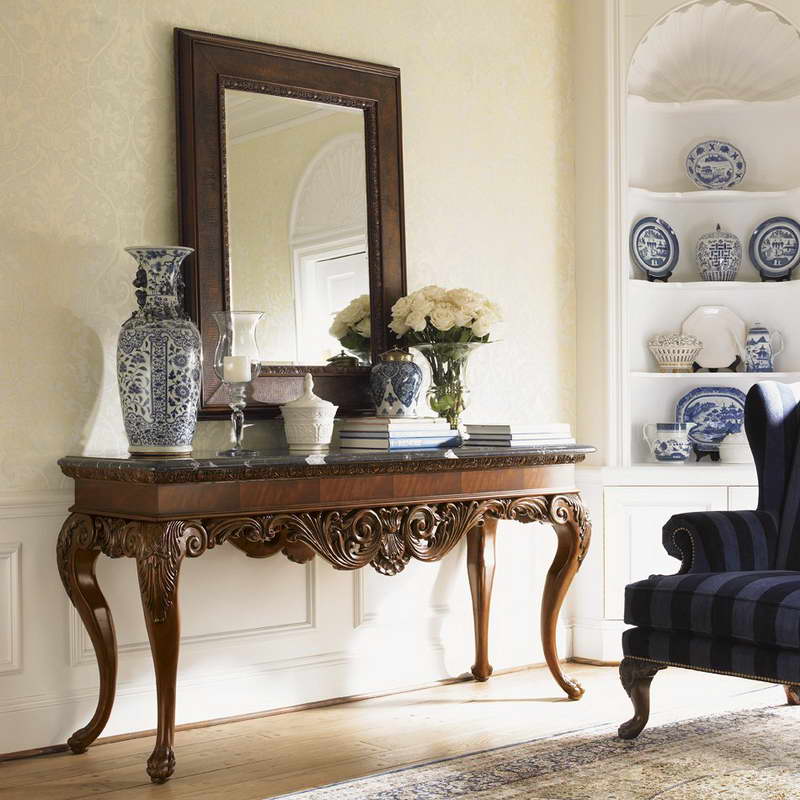
A Foyer is a space that connects the entrance door to various other rooms. A foyer is where you welcome your guests when they enter your home. So, in a way, a person makes his first impressions in the foyer. An Architect suggests ideas and tips for arranging furniture and decorative items in a foyer or entryway so that a good impression is created …..

To apply for registration with the Council of Architecture, a person is required to possess a recognised architectural qualification. But what are the qualifications recognised by the Council of Architecture? Being a registered Architect, I I decided to post the latest list of the recognised architectural qualifications appended to the Architects Act, 1972 and updated on 03/05/2016 by the Council of Architecture…..

Colours play a very important role in enhancing our well-being and happiness. Our body absorbs colour energy through the vibration each colour gives off and through colour, we receive all the energies we need to maintain a healthy body, mind, and soul. An Architect explains the concept of colour therapy and how to use the Vastu Guidelines for colours in a scientific manner to make a change and improve the overall well-being of the residents of a Home……

As an Architect practising in Bangalore, India, I have often been instructed by my clients to apply Vastu Shastra rules to the design of their houses. Since we are not taught Vastu Shastra in our Bachelor of Architecture course, I decided to learn the subject by myself, from several insightful books. Surprisingly, I found it an easy subject to learn, since Vastu Shastra guidelines are wholly based on scientific principles and very similar to the basic design rules that we are taught in Architecture school…….
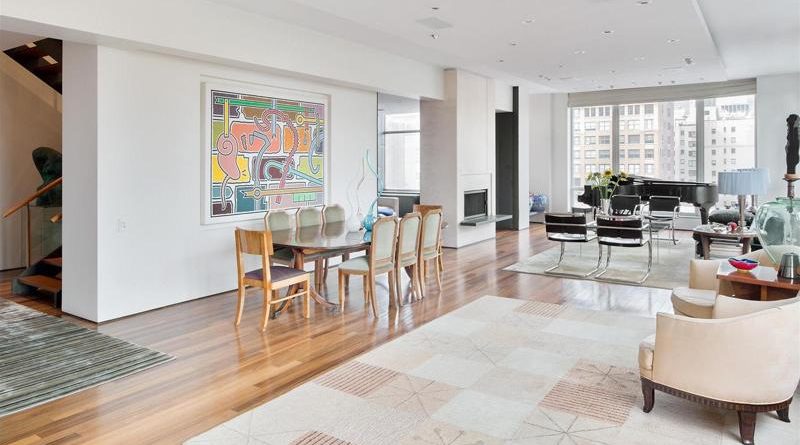
The purpose of flooring is to provide a horizontal, clean surface to support the occupants of a building, the furniture and equipment. Therefore the flooring must be strong enough to bear the super imposed loads. There are several flooring material options and each has it’s own advantages and disadvantages. An Architect reviews the flooring materials with their pros and cons, to help you decide which one is best suited for your home/building………..

An Architect in India is required to be registered with the Council of Architecture to be able to practice. The Central Government directs that for the retention of a name in the register after the 31st day of December, renewal of registration must be done by 31st March of the year to which it relates. An Architect explains the procedure for Renewal of Registration and answers the commonly asked queries……….
Chowriappa Constellation is an under-construction apartment complex in Hennur, Bangalore East. It has 100 units in 2-bed, 3-bed and 4-bed configurations distributed in 15-storeys in eight towers on a 2 acre property. Possession of the project is expected by July 2016. Being an Architect based in Bangalore, I am in a position to review the design aspects of the building. I give this project a rating of 7.4 out of 10…….
Chitrakut Amber is an under-construction apartment complex in Hormavu, Bangalore North. It has 96 units in two, 12-storey blocks on a 2 acre property. Possession of the project is expected by December 2016. Being an Architect based in Bangalore, I am in a position to review the design aspects of the building. I give this project a rating of 7.8 out of 10…….

Brigade Altamont is an under-construction, residential complex located off Hennur Road, adjacent to Kristu Jayanti College at Arkavathy Layout. Brigade
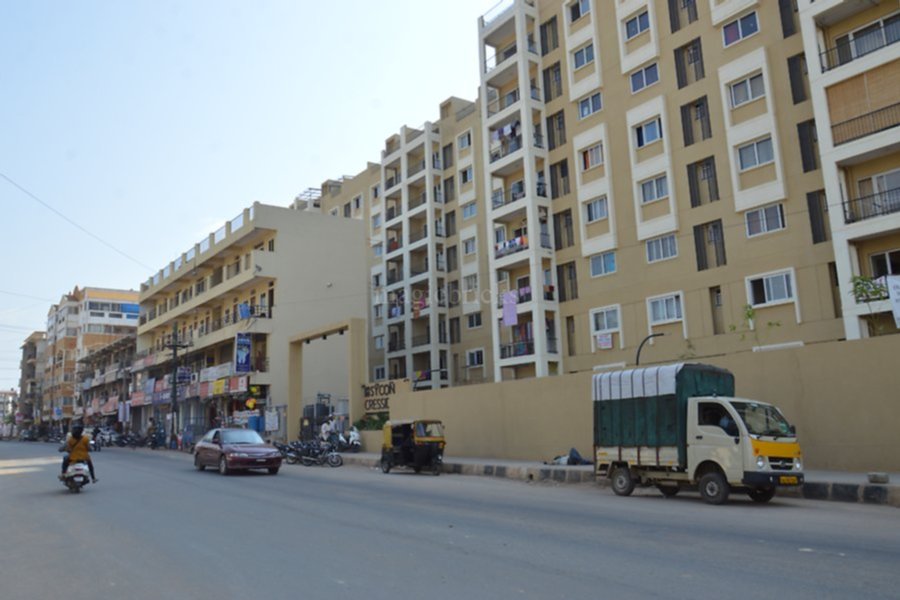
Horamavu is an area in Bangalore in the Indian state of Karnataka. It is a rapidly growing ward, spread over
LGCL One Street is an under-construction, residential-townhouse complex located off Hennur Road, East Bangalore near Biozeen. It has 32, 3