
SCIENTIFIC VASTU | TREES AND PLANTS | An Architect Explains
Listed here are some Vastu Guidelines for trees and plants. Since Vastu is a science, every guideline is based on logic and scientific reasoning. As an Architect, I have attempted to explain these guidelines rationally and scientifically, under the following headings, so that you have a choice and can decide what you want to follow or what you don’t, instead of looking at Vastu as a superstition:
What trees should be planted in the house garden according to Vastu Shastra?
Where should the trees be planted in the plot according to Vastu?
Which plants should be planted in the house garden according to Vastu?
WHAT TREES SHOULD BE PLANTED IN THE HOUSE GARDEN ACCORDING TO VASTU SHASTRA?
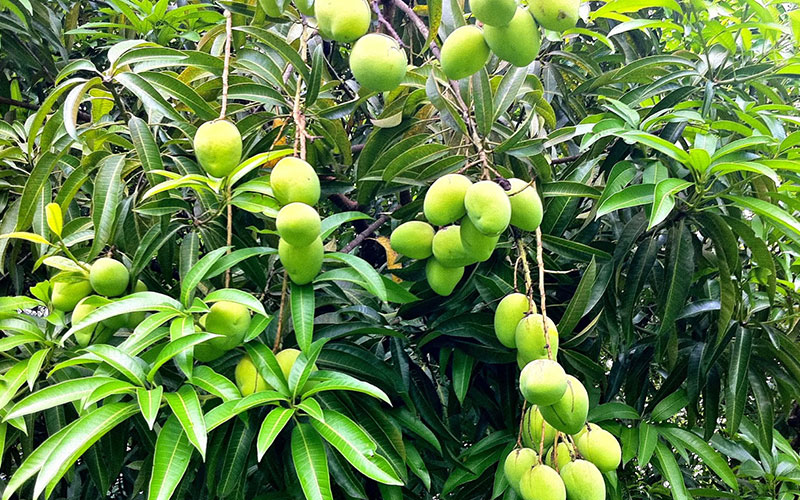
MANGO TREE – Most parts of the mango tree have medicinal 

 value. It’s leaves are used as a pesticide, and its twigs are used for brushing teeth. The tender leaves of the mango tree contain tannins called anthocyanidins, which help in treating early diabetes. Its leaves are used for puja purposes. It is considered very auspicious if the dead are cremated using mango tree fire-wood. Then of course, mango fruit is the king among fruits and very tasty. The raw mangoes are used for making pickles and as a vegetable. Mango trees also have a very long life and can survive for 400-500 years. Obviously, this is also a very useful tree to have in your garden.
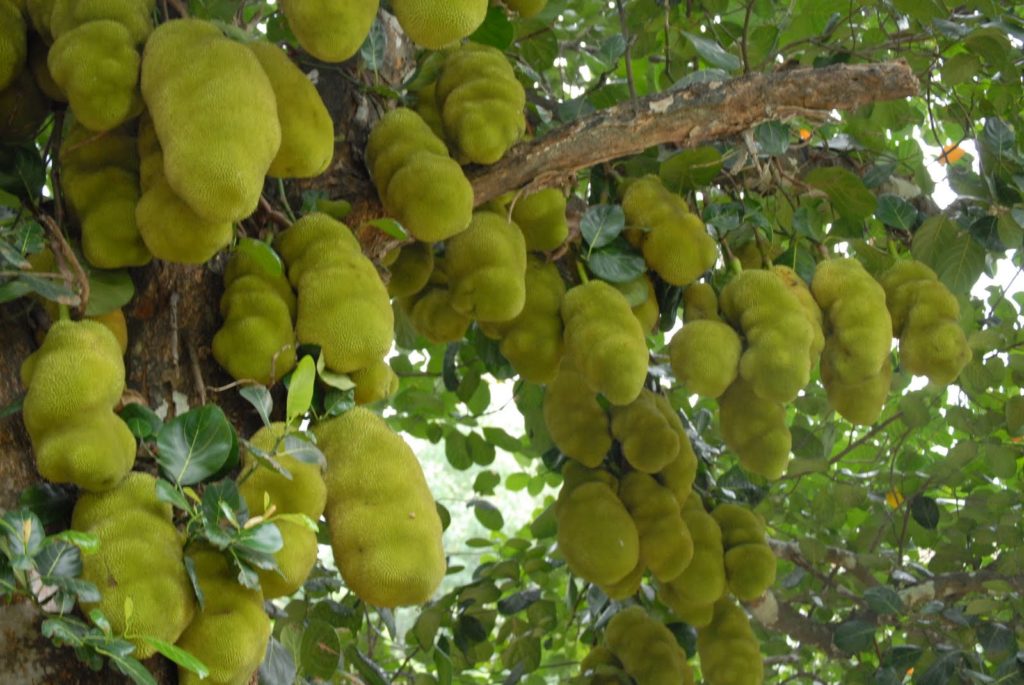
JACK-FRUIT TREE – Jackfruit is an Ayurvedic tree used for the treatment of wounds, Bell’s palsy, improving the body strength, diarrhea, skin diseases and cases of poisoning. Like the ‘mango tree, the jack-fruit tree also produces very tasty, seasonal, fruit in large numbers. The yellow juicy kernels inside the jackfruit are used to make different types of sweets and halvas. The raw fruit kernels are cut into strips and made into tasty jackfruit chips, a speciality of Kerala. The Jack-fruit’s seeds are also nutritious and are used like a vegetable in South India. The beautiful yellow coloured wood from this tree is used to make furniture, doors, windows etc. Its leaves are considered auspicious and are used for puja. Therefore, it is useful and can be planted in your garden.
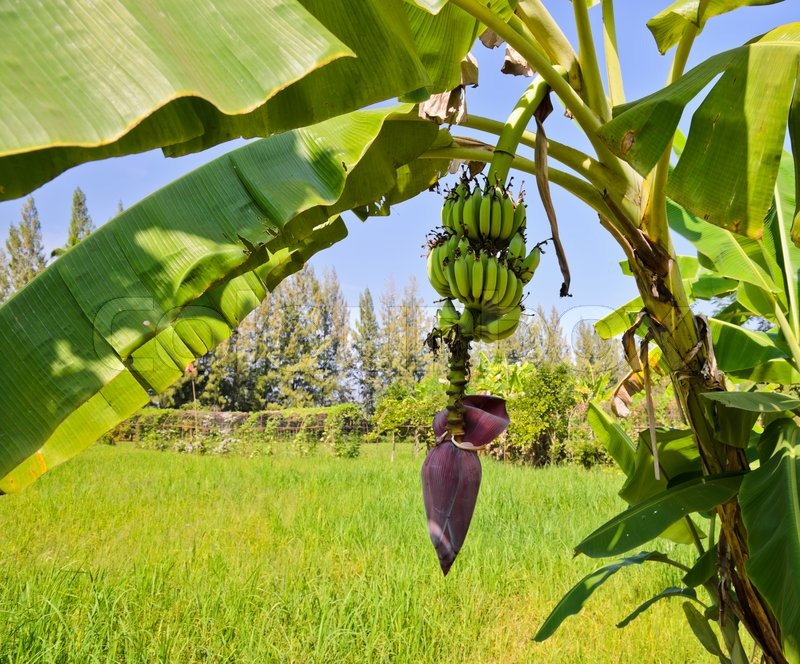
BANANA TREE – The tender saplings of the banana tree are used for decorating doors of houses, pandals etc, during functions and festivals as they are symbols of prosperity and wealth. . Almost every part of the plant has some sort of economic or medicinal use. Bananas are available through the year and are very nutritious. Banana fruit is the best source for instant energy and are rich in potassium. Raw bananas are cooked and eaten like a vegetable. Banana leaves are used for eating traditional meals as they can be used and thrown and so are considered hygienic. The skin of the fruit is used in dyeing. The sap contains tannin and is used as marking ink. From the dried leaf stalks, fibres can be made and they can form a sound kind of string and are also used for tying fences, etc. A lot of illnesses can be treated with concoctions made from the roots, stem, flowers, and leaves of the tree. As far as usefulness is concerned, only one other plant can compete with the `Banana Tree` and that is the coconut. So this is a must-have in your garden.
COCONUT TREE – Every part of this tree is useful. The tender coconut water is a very healthy, cool, low fat drink. The coconut flesh is used in South Indian cooking in large amounts and gives it a distinctive flavour. The oil extracted from coconut is used in cooking as well as a hair oil. Coir is a very useful by-product which is used in making mats, carpets etc. The leaves of the coconut tree are weaved and used as roofing for huts by the poor. Its dry leaves are also used as fire-wood. It has a long life of about 100-150 years and is prohibited from being cut. Due to its usefulness it is considered a sacred tree. Hence it is considered a must, in every one’s garden.

ACCORDING TO VASTU SHASTRA, WHERE SHOULD THE TREES BE PLANTED IN THE PLOT?
Smaller shrubs– may be planted on the East or North sides, but no trees should be planted in the North-East corner as they block the useful morning sun rays.
Tall trees– like Coconut can be planted in the South-West, West sides but should should not be too close to a building as they block the sunlight completely. A tree should be planted such that it’s shadow should not fall on the house, at least between 9.A.M to 3P.M.
Large trees– like Peepal, Banyan should not be located too near the house as their roots can damage the foundation and compound wall. Also, the large trees absorb most of the sunlight, meaning these positive rays will not be received by the building.
Good trees– that can be planted in a house compound are useful trees like coconut, neem, betel, sandalwood, lemon, pineapple, bilva, almond, jackfruit, pomegranate, mango, amla, and katha.
Avoid flowering trees in gardens: Reason – They shed leaves during the summer.
Trees with insects, worms, honey bees, bumble bee, owls, serpents, should be avoided for obvious reasons.
If a tree must be removed because it is inauspicious or for other reasons, the day before cutting the tree, one should express regret to the tree, and it must be removed from its rooting. A new tree should be planted in its place within the next three months. This is a way of conserving nature.
ACCORDING TO VASTU SHASTRA, WHICH PLANTS ARE TO BE GROWN IN THE HOUSE GARDEN?
TULASI (BASIL) – It is also known as holy Basil and it is always good to grow a Tulasi plant on one’s property. Tulasi should be located on the North, North-East, or East sides of the house, or in front of the house. Tulasi is a medicinal plant and is used extensively in Ayurvedic medicines. It purifies the blood and improves the digestive system. It is believed to be useful in treating many types of diseases. Hence it is recommended to eat a few leaves every day. Its probably for this reason, that it is considered a sacred plant and used in daily worship.
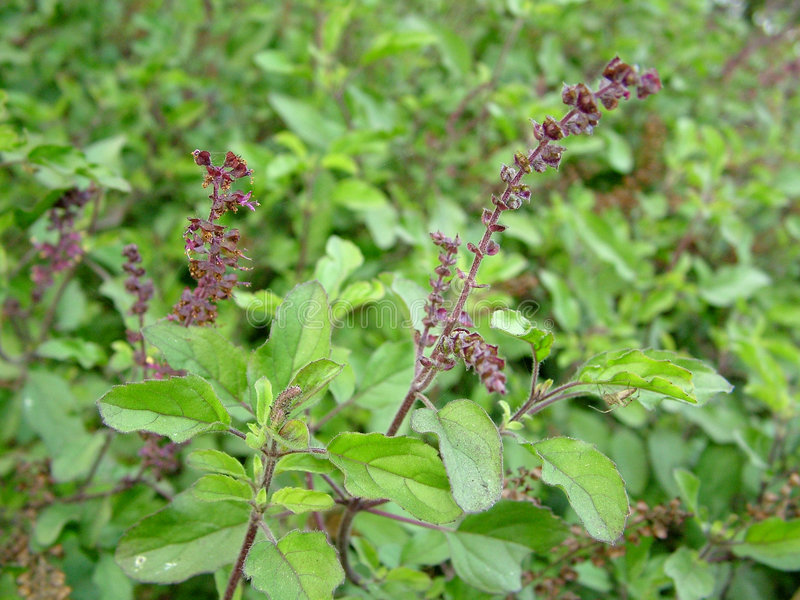
THORNY PLANTS – Thorny plants should not be planted near the house. Cactus should not be planted at all. Thorny plants other than roses have a negative energy. Ideally all thorny plants should be pulled up and destroyed. The reason could be that the thorns can hurt you when you brush past them.
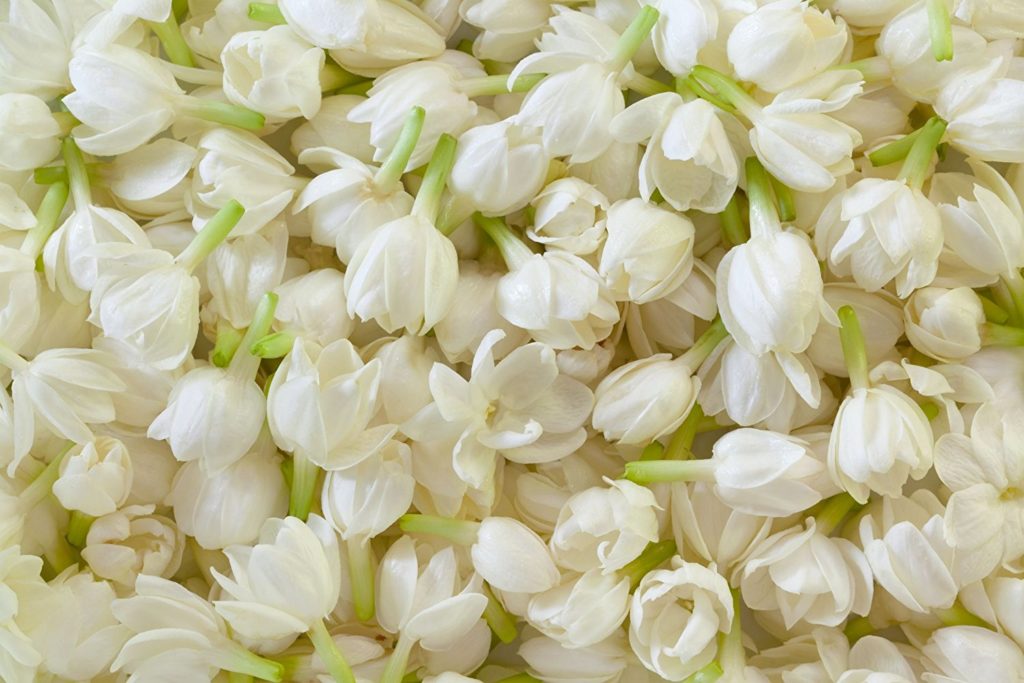
JASMINE – In general, plants with sweet smelling flowers like jasmine, red lotus, blue lotus etc are good in the house compound as they give out a pleasant perfume, and can also be used in daily worship. Flowers like the Jasmine are stringed together and used as a decoration on the hair by Indian ladies. Moreover, as these flowers are produced round the year, they are always available.
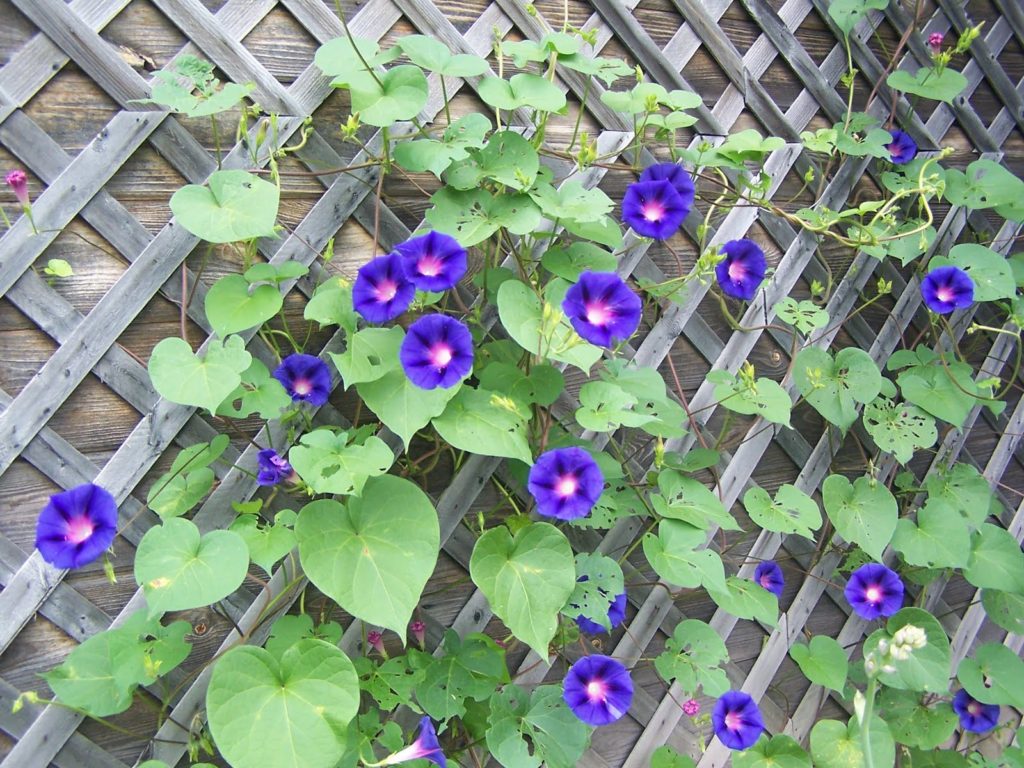
CREEPERS – Creepers or other plants should not be grown using the building or compound wall as a support as their clingers will slowly creep into tiny cracks in the walls and gradually widen them as they grow, causing damage and seeepage of water through the walls. Creepers should only be grown in a garden, and they should have their own independent supports. A creeper like a money plant can be grown within the house but should not be grown outside, using a tree for support.
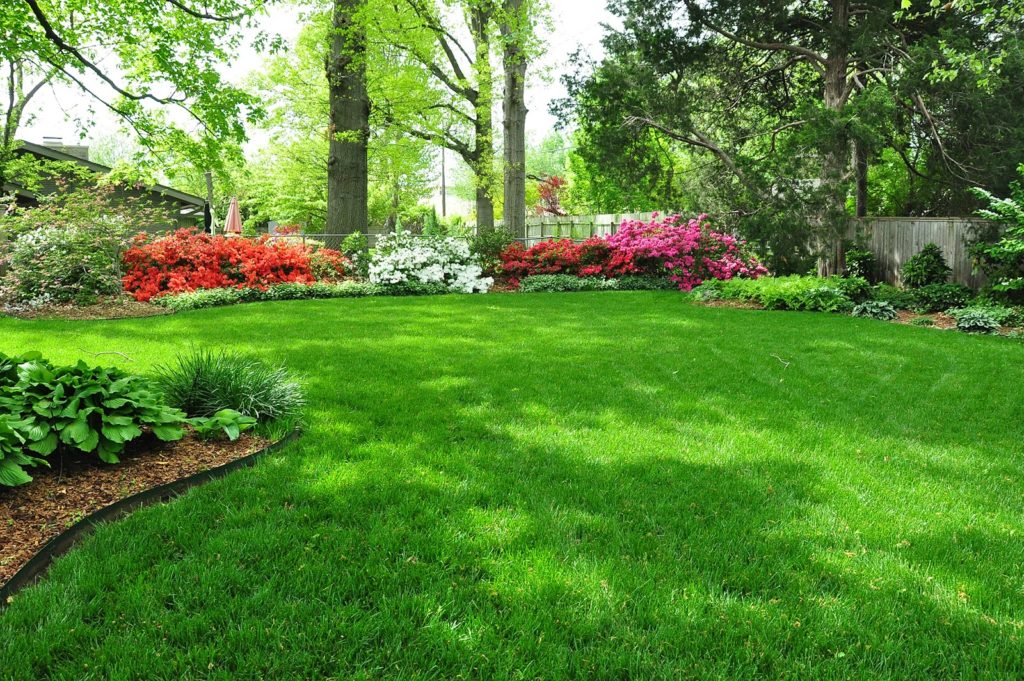
LAWNS AND WATER BODIES– Lawns should be in the East or the North. A small water-fall of three to four feet or a water body can be constructed in the East or the North leaving the North-East corner. If there is a swimming pool in the garden, it should be in the North or North-East direction, so that the people using the pool benefit from the sun rays and also, the water will get purified by the U.V rays of the Sunlight.
BENCHES – Benches are useful in big gardens and can be placed in the open space in the East and the North direction so that people sitting in these directions, can benefit from the useful sun rays.
This post was about the Vastu guidelines regarding the useful trees and plants that can be planted in a House garden. One passes through the front garden to reach the front Verandah and it is adjacent to the Car Porch. Read about the Vastu guidelines for these spaces, here:
If you found this post useful, all it takes is a simple click on the “pin it” “like,” “share,” “tweet,” or Google+ buttons below the post.
Related Topics:
- Vastu Shastra | Explained By An Architect
- Vastu Shastra | Principles For A House
- Vastu Shastra | Factors That Impact A House
- Vastu Guidelines | Selecting The Right Site
- Vastu Guidelines | Designing A House
- Vastu Guidelines | Rituals For A House
- Vastu Guidelines | Construction Of A House
- Vastu Guidelines | Non-Residential Buildings
- Remedies For Vastu Defects



Hi ,
I wanted to do plotting of 1.5 K to 2 K sq ft in 20 K sq plot .
pl suggest what plants / trees I can plant before selling the plots .
plot size approx 35 x 40 ft
Can I plant devadaru in my house compund.is it good for house
Is it good or bad to have sandlewood tree near house. Please guide.
Sir, One thing I like to know about the submerged tube well that I have bored in Southeast corner, is it alright ?
I have a coconut tree in my house compound at northeast side & one arjune tree at north side , can I continue?
I’m from india.infront my home there is old well nd anjeer tree is grown.we close the well nd anjeer tree becomes big now anjeer tree is in front of my home.pls suggest some solution for this ..we r experiencing back to back bad incidentents accident health issues nd many more ..can anjeer tree in front of my home is bad for us ….?
Hi, we have a mango tree plant at the main gate of our house which is east facing
Should we keep it
Is it good to have bamboo tree and been tree in front of house
Hi..we are living in a rented accommodation n we have huge trees of banyan, peepal etc infront of our house as there is a park opposite our house..these trees are grown along side throughout.. kindly suggest if anything can be done.thanks
Hi sir,
My house is facing Easting.
Infront we planted Throny plant , could you please suggest can we grown or not. and please let me know what all plants can be planted infront of house which gives an positive energy in home and peacefulness.
Sir,
I greatly appreciate you for your knowledge -packed article.
But there is a belief that lemon tree should not be planted.
Is it true? If true why? What shall be the consequence if it is planted?
Hi,
A friend gifted us a Bonsai tree that is 25 years old. We have kept it in our Farm. Can you. Pls Advise if we can keep it in our farm or do we need to Give it away? If we can keep. It, where in the farm can we keep it? If we have to give it away, who or where do we gift it to? Pls Advise.
We have a plot (empty-yet to construct) which is trapezium shaped and facing North-east. An Ekkadayele-Arka plant (shrub) with white flowers has grown in the north-west corner. Is it inauspicious and can it be removed? Thanks in advance!!
hai sir,
we have a big neem tree in middle of our house infront of main doors line can it be like that?
HI,
Can we have tamarind tree in the house garden?
Thanks
Hi, in my garden parijatham plant is there which is of above 5’ height. But recently only that plant was dried I all the plants. Is it auspices
Can we plant panneer pushpam tree in the house?
Is it auspicious to plant neem and bel tree togather and in which direction
Sir, we have a big mango tree at front of the plot ( width of the plot is 11 mtr) near the compound wall . distance of the house to be constructed is 7 mtr from the mango tree shall I cut it or keep it.
We have almond tree adjoining to entry gate of house and it cover complete window of one of bed room please advise it is good to have almond tree in that place.
where is the correct location to plant chembakam plant in a house
An informative article… Thank you.
Hi,
Thank you for the appreciation.
Admin
Respected Sir:
My house is facing North East.
Can you please suggest any live plant to around the house to avoid quarrels between husband and wife.
Hi,
I dont think any plant will prevent quarrels between spouses. But it is good to have geenery near a house. have short shrubs and creepers, climbers like bougainvillae.
Admin
Thank you for sharing the great information. I learned good information from your article.
Hi,
Thank you for taking the time to leave an appreciative comment.
Admin
Sir can I plant Ashoka and Kadam trees outside of my house just in front of my house.
Hi,
You can but remember that they will obstruct light to your house.
Admin
Is it ok to plant karuveppilai plant in front of the main door of the house in the garden
Hi,
Avoid any tree in front of the main door.
Admin
Sir my house is east facing house. We have little space in the back yard. Can we place lemon tree over there.
Hi,
Yes you can do that.
Admin
Sir, I am Ravi which side of the house is Planting Nellikka plant is suitable ? ……
Hi,
You can have it near the NE side but not in the NE corner.
Admin
Hello sir,
Good day.
I have my house facing west. There is an almond tree to the left of the house entrance. Is it good to have it or should it be removed? Please guide.
Hi,
Almond tree is a useful tree and so it can be retained. According to me there is no need to remove it.
Admin
Hello sir ,
There is a jujube (ber) tree in front of main gate of my home . Should I cut it down , because I have heard that it is not good as per vastu
Hi,
Avoid having any tree right in front of your gate or main door.
Admin
Sir I have nearly 20 flower pots with different plants, like money plant, chamanthi, tulasi etc. I am staying in independent rented house, north facing with compound wall four side. Kindly suggest me which side should not keep the pots.
Hi,
Keep the thulasi in the NE corner. the rest you can keep wherever you like, along the compound walls.
Admin
We have two badam trees in front of my house facing north. Some of my friends saying badam is not auspicious to have in front of house. My family wants to cut those trees. Personally I dislike to cut them down.Need your advice pl.
Hi,
Badam tree is a useful tree. So according to me, you need not cut it.
Admin
dear sir,
i like datura tree and planted it in a pot ,but my wife is telling this should not be grown in the compound
Hi,
Datura has egg- shaped fruits, covered with prickles. So it can cause harm to a person who passes near it. That is why it is not preferred though it has medicinal benefits. If you need it for some specific purpose, then keep it but at a safe distance from your pathway in the garden.
Admin
In my plot, Northwest side three Shami tree’s are there, one tree branch is centre of plot, effect for construction.. pls explain cutting the branch is good or bad.. some vastu consultant says Shami tree’s cutting is not good.. pls suggest me for further…
Thanks..
Hi,
Any tree that affects the construction should be cut down.
Admin
Sir i want to buy a plot which direction is ne,in fron of my plot is road after and then a medh of a talab.on the bondaries of talab a peepal tree which morning shadow 2hr on my plot it is good or not.2 thing on the north corner after the road the shadow of bamboo tree also fallen2 hr on morning on my plot what can i do buy it or not
I have planted Peepal and banyan tree in pots for puja purposes.Can I do it?
Hi,
According to me, you can do that.
Admin
Namaskar,
My house faces east. The drive way is towards south which goes towards west end of the compound. The south west is open And wide. So, what tree should I plant and where ? Some part at north, east, south and full west side open.
thank u
Hi,
Plant tall, leafy trees in the SW and West and shorter, less bushy trees or shrubs in the North and East.
Admin
Hello, we are planning to plant a Banana tree in our factory. First of all, can we plant banana tree in the factory premises? If yes, which is a better side as per vastu to plant banana tree in the factory?
Please let us know quickest.
Regards. Bhavin Pabari – Swaziland
Hi,
Banana tree grows in clumps and spreads. so keep it away from the house and not in the Ne corner.
Admin
Is a part of banyan tree along my compound wall with dangling roots going down in the soil bad for my plot vastu n architectural wise ? This is in the south n south west corner of the plot .
Hi,
Banyan tree spreads and has extensive roots. So it is not advisable to have such a big tree so close to the house, unless it is at least 20′ away.
Admin
Hi sir ,
I have sapota plant .my house is facing south. Southwest .can I plant that sapota plant
Hi,
Yes you can have a sapota tree in the SW.
Admin
Hi sir,
I own a flat, so is it good to plant a lemon in pot? Which is the right location to place the lemon plant pot?
Hi,
Nothing wrong with having a lemon tree in a pot.
Admin
Dear sir,
In our house we have a fig tree (anjeer) we are planning to cut it out but some people says that cutting the fig is a wrong idea as this tree is gods tree or something else after cutting some bad things can happen to that family. Is this true? why we plan to cut the tree is it has grown on the odd part of the house and its height is also getting more day by day. Need your suggestion s on this, early response will be highly appreciated.
Thank you
Hi,
Fig tree is useful but attracts birds and the fruits falling around the tree can create a mess. If you feel it is getting overbearing, you could prune it down regularly.
Admin
Growing Parijat tree in garden is attracting snakes?
Hi Veeresha,
I am not aware of the parijat tree attracting snakes. I have heard that snakes are drawn to sandal wood trees, but even that I am not sure.
Admin
Sir my question is can we plant betel plant in homes or not. It creates any problem?
Hi,
Betel nut plant is a useful plant and hence can be grown within the compound.
Admin
Namhastey,
Nice to read about plant in house and there use, you have replied so many peoples too. I have one question on my house backyard i have planted one pomegranate plant three years back, who ever visited in house and saw that plant advice us to remove it, as per them Pomegranate is not good for house owner’s.
Please do suggest us what to do, or what is correct. Plant is in South side.
Regards
Akhil P Gupta
Hi Akhil,
Pomegrante is a useful plant, so it is okay to have it in the garden. Maybe because it has thorns, people have discouraged you from keeping it.
Admin
Hi sir,
in my plot their is an coconut tree , which occupies more space ,
so is it fine , if i remove tree from site?
is any bad factors which will affect me after removing it?
please suggest.
Hi Narendra,
You should get it removed by a specialist.
Admin
One Gulmohor tree was planted at NE corner of our house one year ago, now some people are advising it is not good as per vastu.
I want to know : Is it true ?
Hi Prabhat Kumar,
A spreading tree like a Gulmohar in the NE blocks off the useful morning sunlight. BUt if you feel it is not affecting the sunlight much, then there is no need to remove it.
Admin
We have a three year old dates tree in the north east part of the ishaan kone facing house.Although it looks good but it’s leaves are having spike shaped horns, Should we cut it and plant other tree as it is inside the house and near the entry gate.
Praveen Bhargava
Hi Praveen,
A tree in the NE should actually be avoided as it can cut off the sunlight to the house. So efore you cut down the existing tree to replace it with another tree, give it a thought. If you feel the light to the house is not getting affected, then leave it as it is.
Admin
My house is in the face of north.. I have planted a jack fruit tree in the north east side…. It is gainful fr my house.
Hi Kanhaiya,
A tre in the NE is not ideal as it can affect the sunlight coming to the house. But if you feel it does not affect the light much, leave it as it is since it is a useful tree.
Admin
Hi sir
Small lemon tree if planted in pots and kept near the home is considered auspicious or not ?
Hi Mahesh,
Any plant/tree that is useful is considered auspicious.
Admin
dear sir
my house is facing towards west. and other one is facing exact opposite (joint family).
both the house has planted with badam tree in front of entrance but at a side.
will it harms by negativity as there is always bad things happening such as court,hospital etc..
please suggest
Hi,
As long as the tree is not blocking the light to your house, it is okay to have it.
Admin
Sir ,
Our’s is east facing house. We have banyan tree in front of the house with in 10 steps distance and in south-east direction. Please tell me is it anything bad. sir.
Hi,
Banyan tree spreads and has extensive roots. So it is not advisable to have such a big trree so close to the house.
Admin
Whether growing pomegranate tree is good in front of home..which location is good for growing that plant..my neighbour said its not growing in front of home and advised to plant at back side of home..
Hi Priya,
Pomegranate is a useful plant. But it is always best to grow fruit trees in the backyard.
Admin
My house is facing nort side. Which side I can plant mango tree? I have space in east and north side space, is it good for planting mango tree?
Hi Shazz,
Plant th mango tree in a spot where it does not cut off the sunlight entering your house.
Admin
Dear sir,
The information you provided is much helpful.
My house faces north. There is a road inffro t of my house
After the road there is a compound wall of others.
Can I plant trees like mango , prepay, neem, pomogranate ets between their compound wall and the road.
These trees may appear to be infront of my gate but there is a road in between
Kindly suggest if it is OK
Thank you very much.
Hi Vijayalakshmi,
You can do whatever you want within your property. But outside your property, you have no control. Even if there is no objection the plants that you plant can be felled or removed.
Admin
Hello sir, we r going to buy a west facing plot with very old house.but we have little bit confusion for this west facing.but our first choice is north and east facing only.west facing auspicious or not . please need Ur advice
Hi Rajeswari,
Go to my post on West Facing Plots.
Admin
Hello,
I would like to know about Banana plant. Is it good to plant a Banana tree in the house and if it is, then in which direction. Because a lot of people have asked us to remove the tree immediately
Hi,
Locate banana plantings well away from property lines (6 to 10 feet), as their ability to spread may cause problems to neighbors who do not want them in their yard. Promptly remove any banana shoots that show up where they are not wanted to keep the clump under control. Controlling bananas is a big issue, so it is not advisable to have them in a small compound.
Admin
In which direction sonchapha should placed in garden
I have a single coconut tree on north west side of my house. Is there any bad effects on us or our childrens.
Hi Sham,
Coconut is a useful tree. Only make sure that the falling leaves and fruit do not harm you or your children.
Admin
Hello Sir,
Can i plant Pomegranate in my compound, if yes which direction can i plant?
Please advice me.
Thanks
Apparao
Hi Apparao,
Yes you can plant pomegranate in your garden. Preferably in the back yard.
Admin
Hello Sir,
Can i plant jack fruit in my compound, if yes which direction can i plant?
Please advice me.
Thanks
Apparao
Hi Apparao,
Jackfruit is a useful tree. Plant it in such a way that it does not obstruct useful light to your house.
Admin
Can we grow Ashwganda plant in side the house and which side to keep the same
Inderkapoor
Hi,
Yes it can be grown anywhere as it is a useful medicinal plant..
Admin
sir, ….. Please… give me your best advise to direction(AS PER VASTU SHASTRA ) for trees plantation ( lime & ashwagandha, ashok(hempushppa),shammi,other fruits/flower)
Hi,
Ashoka near the boundary and in the South, West, Ashwagandha in North or East.
Admin
Hello,the Jamun farming tree has been planted before the house (North face) length between house and tree is 30 feets ,because a 30 feeet road has going through between tree and house.planting Jamun Farming tree is good as per vastu shastra.
Hi,
As long as it is more than 10′ away, it is okay.
Admin
I have a kaner big plant in my home so is it good or bad for home suggest plz.
Hi,
If it is not in the Ne corner, it is okay.
Admin
Hello sir
There is a temple in a central park in front our house on other side of 30 feet road. There is a Peepal tree also. our house is east facing. Peepal tree is exactly in east direction from our house about 40- 50 feet. there is a small Shanni,Hanuman and Dharam raj temple also under Peepal tree. Is every thing good according to vastu or pleas tell us any remedial measure. The main temple is of Shiv Parvati which iis about 60- 70 feet away.
Hi,
The Peepal tree should not affect you. As long as there is not much activity and sound (of pooja) emanating from the temple, it is okay.
Admin
Hi,
Now I planted a coconut tree in my house southwest corner, my friends and relatives said that single coconut tree is not good for house. What is your suggestion?
Hi,
A coconut tree is not ideal near a house because of its roots and falling fruits. It is suitable in a big plot and pairs look more symmetric.
Admin
We have 2 coconut trees in our plot and both are yielding coconuts.Can we cut the trees and construct house there? we are hindu tamil brahmins and want to know any puja is to be done for its removal? Please guide.
Hi,
The person cutting the coconut usually does a prayer. But you could consult a pujari as to what you should do.
Admin
Can I keep a jamun (navaal)tree near my house
Hi,
As long as it is at least 10′ away, it is okay.
Admin
Sir,
My neighbor has planted a Jammun tree hardly 3 feet away from my house wall. She left for US permanently. Is it Ok to allow it to grow or will it harm my house?
Hi,
If you see the roots causing cracks in your compound wall, you can inform her that it need to be cut. If she refuses you may have to put an RCC barrier below to prevent the roots from spreading.
Admin
HI SIR,
I HAVE A ROSE PLANT IN FRONT OF MY HOUSE AND IN A GARDEN. MY MOM AND UNCLE SAID ITS NOT GOOD TO HAVE A ROSE PLANT IN FRONT OF HOUSE IT WOULD BRING BAD LUCK IN A HOUSE AND IN PERSON LIFE ….COULD YOU PLEASE ADVISE ME IF ITS OK TO HAVE ROSE PLANT ?
THANK YOU
Hi,
Though thorny plants are not preferred according to Vastu, rose plant is acceptable because it yields beautiful flowers. Only be careful not to have it near the place that you walk.
Admin
Want to plant Aloe vera as someone nformed me that it fights termites.I have in the garden termites.Is it ok to plant Aloe vera.If so any particular direction. Want to plant Ashoka tree in South west .Is it ok direction. I have Champa in North East corner and another in South portion of my plot .Is it ok to keep it.
Hi,
Avoid trees in the NE corner. Aloe vera can be planted anywhere.
Admin
what is the suitable location to plant betel leaf plant?
Hi,
betel leaf plant is like a creeper. It can be grown on any sturdy support anywhere in the garden, according to me.
Admin
Almond tree at home is it good are bad.
Hi,
An almond tree is useful. So it is not bad. But keep a distance of around 8-10′ from the house.
Admin
Lemon tree is planted in S/W corner and supari(bettle nut) tree & bela are in S/E corner in west side. they are out side of wall of ours. please guide whether it will influence as per vastu sastra.
Hi,
They are okay.
Admin
Hi sir I have two coconut tree in front of my east facing house so please advise me for any side effect. Yours rabindra naik email rabindranaik1965@gmail.com thank to advise everyone to stay safely in home
Hi,
As long as the trees are at least 10′ away from the house, it is okay.
Admin
we are decided to buy north facing house this site for triangle cross on northeast.it can make garden.sir…tell suitable plants
Hi,
Keep only short flowering plants or shrubs.
Admin
Can we plant AThichakka tree in front of my home and a citric fruits is already planned in front of my home please comment if any problems ?
A tree is in frunt of my house.
Is there any negative effect of this.
Hi,
As long as it is at least 10′ away, it is okay.
Admin
Hello Admin, good day. I’m impressed by the way you’re taking time to answer every enquiry. And also the way you suggest alternatives to cutting a tree. Personally,
My house is facing towards the East. So we have space only from the north east to the south east to plant a tree. And the gap between the building and the compound is around 1.5 feet.
I want to grow a lush tree filled with leaves like Pongamia Pinnata/Millettia Pinata. Please tell me if it’s a suitable choice. If not please suggest what other lush trees I can plant in the small space that is available.
Hi,
Firstly, thank you. You should remember that the roots of a tree spread far and can adversely affect the foundation over time. So it is not advisable to have a tree in a small 1.5′ space. If you want a plant with lush leaves you could have a bougainvillea.
Admin
Hi sir,
Can I have birds paradise plant at home. If yes where do I place it.
Regards
Meena
Hi,
If it grows to a height of more than 5′ then keep it in the West or South sides. Otherwise it can be kept in the North or East sides.
Admin
Our plot is south faced but house built facing east. We are having space at both north east as well south west. Can e plant Amla tree at North east. Whether if we plant amla tree nearby water tank it will effect the tank.
Hi,
Yes you can do that. Make sure there is at least 8-10′ distance from the water tank.
Admin
i am having coconut tree on the north east corner of my plot which is planted in the common area which is morefully used by the outhouse occupants for ingress / outgress to their house. I asked the outhouse occupants if the tree can be uprooted for which they readily agreed but dont want to do it on their accord.
Kindly advise if i can go ahead with the axing of this coconut tree as per vasthu as this tree is leaning from the common area into my site north east corner.
Kindly advise me if there will be no implications of uprooting coconut tree which is in the north east corner of the plot , do i have to do any homma as suggested by my pandit.
I am not able to decide please help me out.
Hi,
Normally, the persons cutting the coconut tree do some prayers. But you could consult a pujari as to whether you need to do something. It is better to be rid of that tree as it is in the NE corner and affecting you also.
Admin
In which place we can plant pathras like vilvam, amla, senbagam, arali, maghizam. Pl tell us so that we ll plant accordingly.
Hi,
Avoid arali in house. Amla in NE, Vilvam in NW, fruit bearing trees inthe East and flowering trees in the SW.
Admin
Hi, My house is facing the West and opp the Main Door we have the Thulasi planted . it is very hot and I would like to have a Neem tree planted to spread its branches and keep away the sun in teh afternnon to the exent possible. Is it advisable as per vastu to keep a neem tree in the west against the main door.
Hi,
It is a good idea to have a neem tree to reduce the heat. Have it in the North-west and make sure it does not cast a shadow on the main door.
Admin